



The Thrill of the Game
The excitement that envelops a casino is palpable, and this thrill plays a significant role in the psychology of winning. When players step onto the casino floor, they are immediately immersed in a world designed to stimulate their senses. Bright lights, enticing sounds, and vibrant colors work together to create an adrenaline-pumping environment, encouraging people to engage in risk-taking behavior. This euphoric atmosphere can sometimes cloud judgment, pushing players to make decisions they may not consider outside the casino. For those looking to enhance their experience, the best bitcoin sports betting sites can provide exciting alternatives.
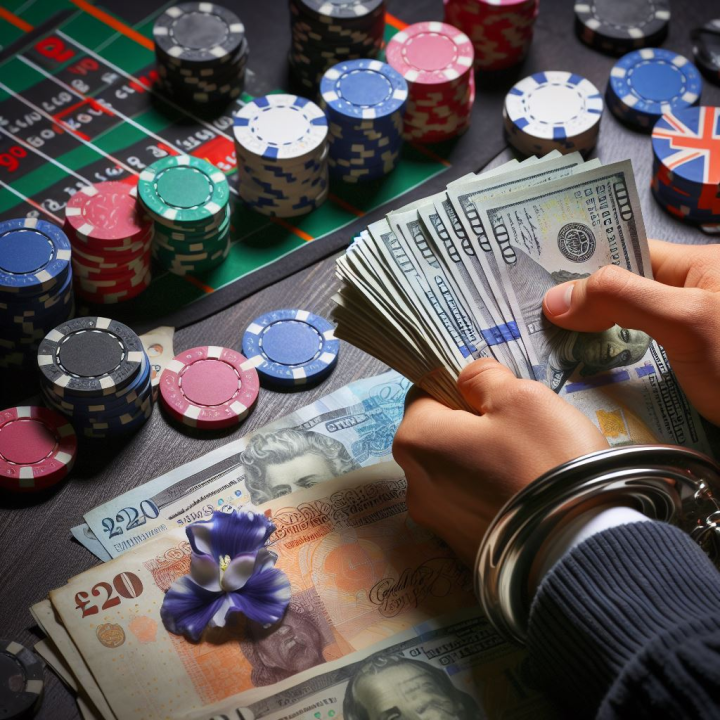
Moreover, the thrill derived from gambling is tied to the concept of risk and reward. Players often experience a rush when they place a bet, heightened by the anticipation of winning. This psychological effect can lead players to chase losses or engage in behaviors that may not be in their best financial interest, illustrating how the environment of a casino can influence decision-making.
The Role of Cognitive Biases
Cognitive biases significantly impact how players perceive their chances of winning. The gambler’s fallacy, for instance, leads individuals to believe that past events can influence future outcomes in games of chance. A player might think that because a particular slot machine hasn’t paid out in a while, it’s “due” for a win. This belief can lead to increased betting, resulting in potential losses while reinforcing the casino’s profit margins.
Additionally, confirmation bias can skew a gambler’s perspective. Players tend to remember wins more vividly than losses, creating a distorted sense of luck. This tendency can encourage continued play and riskier bets, as the player may not fully acknowledge the losses incurred. Understanding these cognitive biases is essential to grasping the psychology behind winning at casinos.
The Importance of Strategy
Though luck plays a central role in gambling, strategy is equally crucial for maximizing winning potential. Many seasoned gamblers employ a range of strategies tailored to specific games. For example, card counting in blackjack or understanding the odds in poker can provide players with a statistical edge. This strategic approach not only enhances the player’s chances of winning but also instills a sense of control over their gaming experience.
Furthermore, adopting a disciplined strategy aids in managing emotions and keeping gambling behavior in check. Successful players often set limits on their betting and stick to a predetermined budget, which can help mitigate the emotional rollercoaster of winning and losing. The blend of strategy and psychological resilience can lead to a more rewarding gambling experience.
The Social Dynamics of Gambling
The social aspect of gambling cannot be overlooked, as it adds another layer to the psychology of casinos. Many individuals enjoy the camaraderie of playing alongside others, sharing in the excitement of wins and losses. This social environment can foster a sense of community, but it can also lead to peer pressure and impulsive betting, as players might feel compelled to keep up with others.
Moreover, casinos are designed to encourage social interaction, with amenities such as bars and restaurants, creating a space where players can unwind and engage with one another. This interaction enhances the overall experience but may also lead to longer playing times and increased spending, as players are drawn into a social atmosphere that encourages them to stay longer and participate more actively.

Protecting Yourself in the Casino Environment
While understanding the psychology of gambling can enhance the experience, it is essential to prioritize personal safety and security. Being aware of the potential for addiction and the psychological traps that casinos employ is crucial. Players should approach gambling with a clear mindset, understanding their limits and recognizing when to walk away. Setting a budget and adhering to it can prevent financial distress and maintain the fun aspect of gambling.
Additionally, casinos often have measures in place to promote responsible gambling. Resources such as self-exclusion programs and information on problem gambling can aid players in making informed decisions. Understanding these resources and the psychological dynamics at play is vital for a safe and enjoyable casino experience.
Bài viết lên quan